

"A man breaking things in fury becomes a sign that something is wrong with the world; a woman withdrawing or naming harm becomes the thing that is wrong."
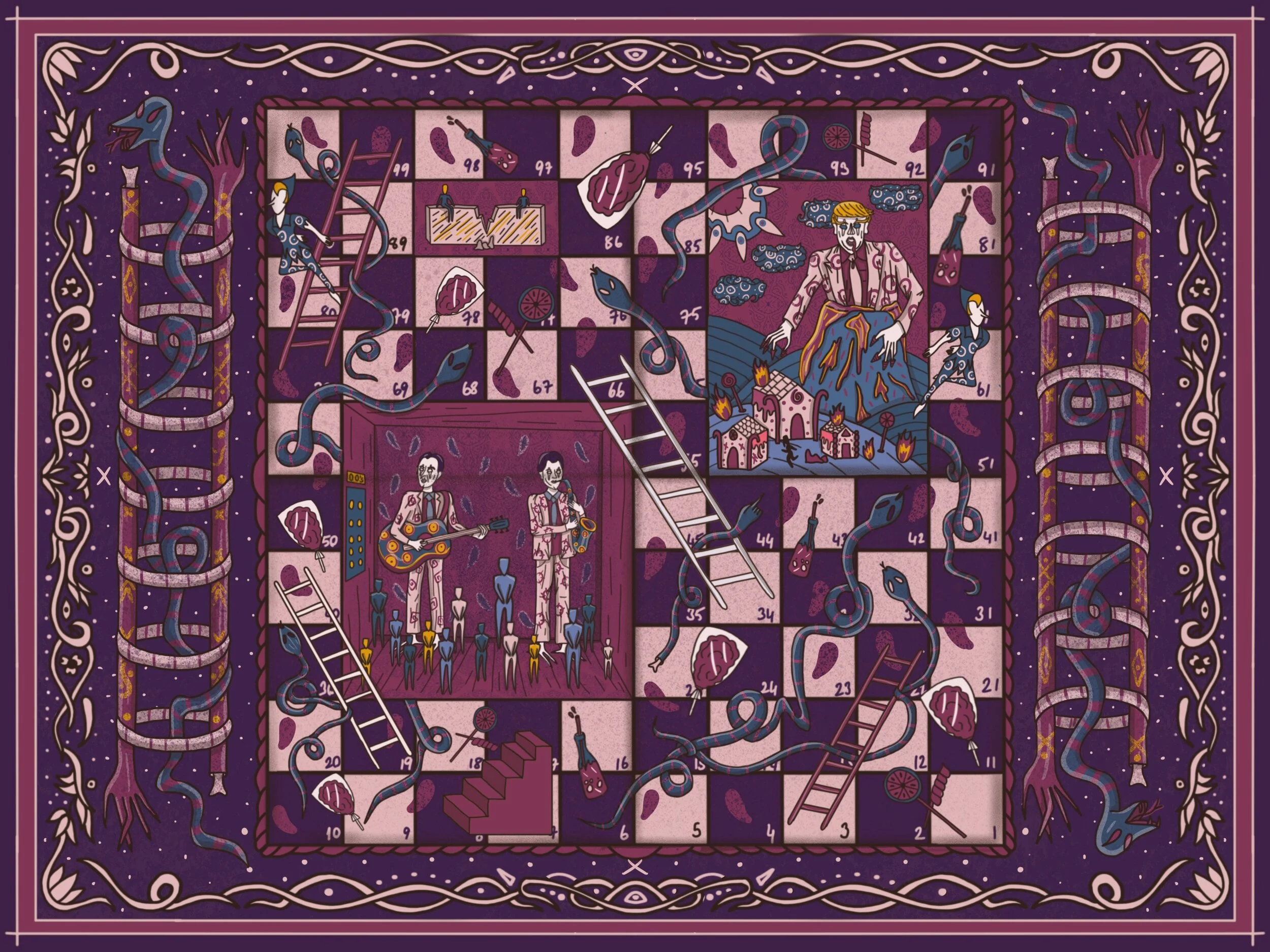
This type of reckoning with the past is a familiar experience for millennials from peripheral countries. We grew up watching the same cartoons, nagging our parents to buy the same toys and observing the world around us shrink at the same pace. Most importantly, we all had a moment when we thought this new and exciting shared global culture would make us all equal. When it didn't, we ended up experiencing the same sense of disappointment. All the cultural capital we acquired to fit in just made us look more suspicious. Whitey gawped at our ability to speak his language as if we were an entirely different species that miraculously learned to communicate through speech.
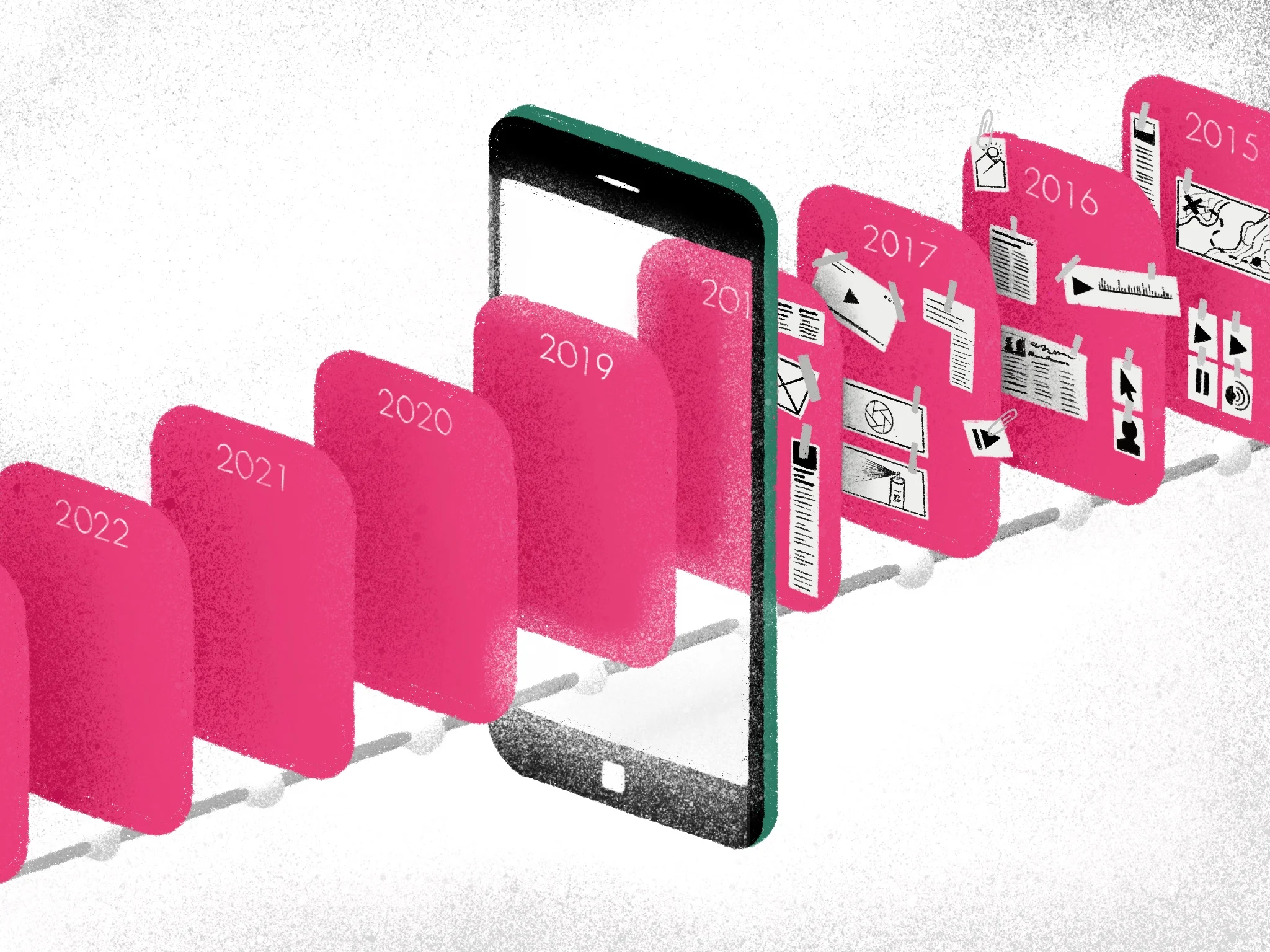
Open source archives are important because they are the memory of revolution and counter-revolution. They allow future generations to recollect fragments of resistance so they can stand up tall against regime propagandists and snooty Western intellectuals. These tenacious memories might just be what it takes to prevent the world from sinking into fatalistic notions of futility.

To write, to remember, because one feels a duty to do so can be exhausting, and there's nothing wrong with recognizing that the occupied, the exiled and those in-between can also fail. But even in failure, a way out is possible.